Walking a Reactive Dog: When Was the Last Time You Really Enjoyed It?
 Sonia Catherall

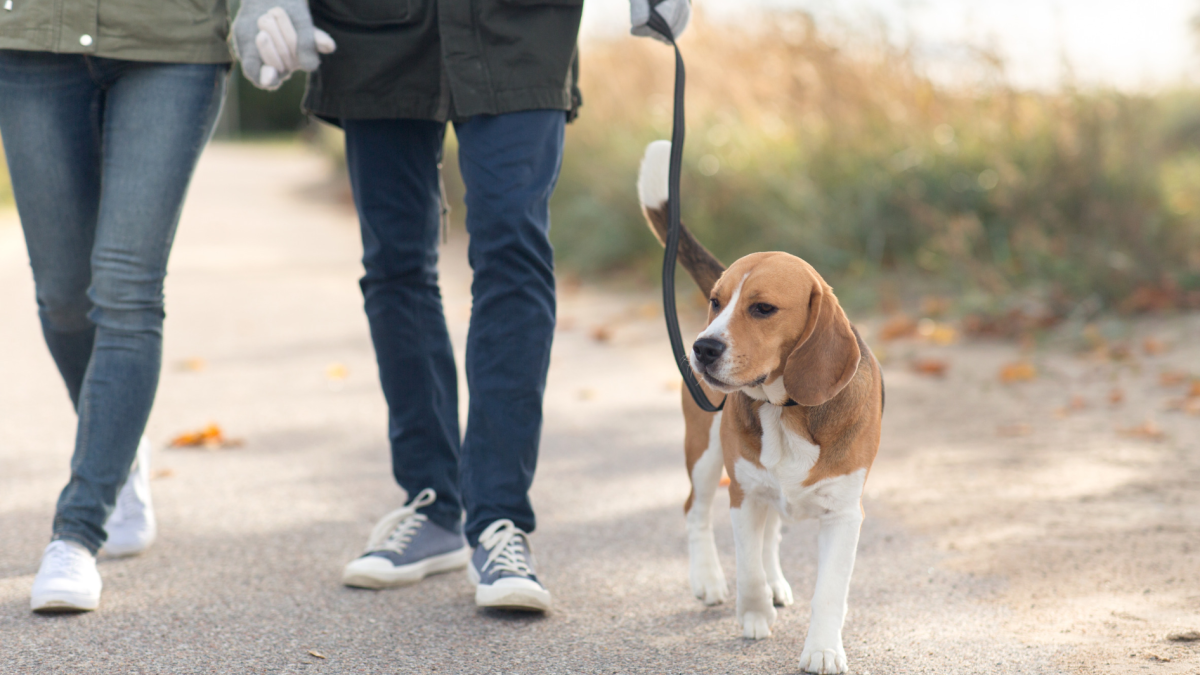
If you share your life with a sensitive or reactive dog, going for a walk can involve quite a lot of planning and thinking ahead.
You might be watching for approaching dogs, checking who's coming around the corner, looking for somewhere to create a little more distance or deciding whether it's better to take a different route. Perhaps you've become familiar with the quieter walking routes in your area, know which times of day are usually less busy and have a few favourite places where your dog feels more comfortable. All of this can be really helpful for your dog, but with so much to think about, when do you get the opportunity to enjoy being outdoors together?
We spend a lot of time thinking about how to make walks enjoyable and rewarding for our dogs, particularly those who find certain situations difficult. But I think it's worth asking another question. What about the person at the other end of the lead?
.
Walking a Reactive Dog Can Be Stressful for Guardians Too
When your dog finds other dogs, unfamiliar people, traffic or busy environments difficult, you naturally become more aware of what's happening around you. You might find yourself scanning the path ahead, listening for approaching dogs or deciding whether there's enough space to pass someone comfortably. You may even find that you're thinking about the walk before you've left the house. Where should you go today? Will it be busy? What happened the last time you visited that particular place?
Being aware of your surroundings and making thoughtful decisions can help you support your dog. But if every walk involves anticipating potential difficulties, you might find that something you once enjoyed has become a source of stress.
And perhaps you've stopped visiting places you used to love because they're no longer suitable for your dog.
It's understandable that walking might start to feel very different from the enjoyable experience you imagined sharing with your canine companion.
.
Walking Is Good for Our Wellbeing Too
I was recently reading an article about the benefits of exercise for managing stress. One of the things it discusses is mindful walking and how paying attention to our surroundings, rather than being caught up in our thoughts, may benefit our wellbeing.
It got me thinking about the walks we share with our dogs. When was the last time you had the opportunity to appreciate the scenery, listen to the birds, enjoy the fresh air or simply notice what's happening around you without constantly anticipating what might be coming towards you?
Of course, if your dog finds certain situations difficult, I'm not suggesting you stop paying attention to your surroundings. Being aware of approaching dogs, people or anything else your dog might find worrying is an important part of helping them feel safe.
But perhaps there are opportunities to make walks more enjoyable for both of you. And that might begin with thinking about where, when and how you walk together.
.
How Can You Make Walks More Enjoyable for You and Your Dog?
There isn't one particular type of walk that suits every dog or guardian. What one dog enjoys might be quite different from what another finds rewarding. The same is true for us. Rather than feeling that every walk needs to follow a particular route, last a certain amount of time or cover a specific distance, it can be helpful to consider what you and your dog actually enjoy.
.
Choose Somewhere You Both Feel Comfortable
If you're constantly looking around for approaching dogs or worrying about what's around the next corner, perhaps it's worth considering whether there's somewhere else you could walk. Would a quieter location give you more opportunities to enjoy being outdoors together? Perhaps there's a peaceful woodland path, a quiet field or somewhere with plenty of space where your dog can explore without frequently encountering situations they find challenging.
You might need to travel a little further or visit at a quieter time of day, but finding somewhere you both enjoy could make a real difference to your experience. It doesn't have to be somewhere new or exciting. Familiar places can be particularly enjoyable, especially if your dog feels comfortable exploring them.
.
Give Yourselves Time to Enjoy the Walk
Have you ever noticed how your dog can become completely absorbed in investigating one particular patch of grass? While we might be thinking about where we're going next, our dogs may be interested in the information available through their sense of smell. Allowing time for sniffing and exploration can provide rewarding opportunities for dogs to engage with their surroundings.
And perhaps those moments could be enjoyable for you too. While your dog investigates an interesting scent, you might have an opportunity to look around, appreciate the scenery or simply enjoy being outside. There's no need to rush from one place to another if you're both enjoying where you are.
.
Find Somewhere You Can Spend Time Together
Not every walk needs to involve continuous walking. Perhaps you could find somewhere quiet where you can sit together for a while. Your dog might enjoy investigating the surrounding area, watching what's happening at a comfortable distance or simply spending time with you. You might enjoy having a few minutes to appreciate your surroundings without feeling that you need to keep moving. Of course, this won't suit every dog. Some dogs may feel more comfortable continuing to move, while others might enjoy spending time in one place. The important thing is to consider what your individual dog enjoys rather than expecting them to participate in an activity simply because we find it relaxing.
.
Remember That Shorter Walks Can Be Enjoyable Too
It's easy to become focused on how far we've walked or how long we've been out. But a longer walk isn't necessarily a more enjoyable walk. If you and your dog spend twenty minutes somewhere you both feel comfortable, with opportunities to explore and enjoy your surroundings, that might be a much nicer experience than an hour spent navigating situations your dog finds difficult.
Rather than measuring the success of a walk by the distance you've covered, perhaps think about what you both enjoyed. Did your dog have opportunities to explore? Were they comfortable in the environment? Did you have time to appreciate being outdoors together? These questions can tell us much more about the experience than the number of miles you've walked.
.
But Whose Walk Is It Anyway?
This is something else I think is worth considering. We often talk about what dogs need from their walks, but what about what we'd like from them? Perhaps you enjoy walking at a reasonable pace, getting some exercise or exploring somewhere new. Your dog, on the other hand, might prefer spending twenty minutes investigating the same small area. Or perhaps you'd love a walk along a busy seafront, but your dog finds unfamiliar people or other dogs worrying.
You might both enjoy being outdoors, but that doesn't necessarily mean you'll enjoy the same experiences. And that's fine. We can look for opportunities to enjoy activities together while recognising that our needs and preferences won't always be the same.
Some walks might involve spending more time following your dog's interests, while others might involve exploring somewhere different or enjoying a little more walking together, provided your dog is comfortable and enjoying themselves.
And if the walk you'd really enjoy isn't one your dog would enjoy, there's nothing wrong with going for a walk without them. You can still make time for walks and other activities that your dog finds enjoyable and rewarding. You don't have to do everything together.
.
Finding Enjoyment in Walks Again
If walking your dog has become stressful, it can be difficult to imagine enjoying those experiences again. But perhaps you don't need to start by changing everything. You might begin by choosing somewhere a little quieter, allowing more time to explore or visiting a familiar place where you both feel comfortable.
Perhaps you'll discover that you enjoy shorter walks, or that some of your favourite moments happen when you're not actually walking anywhere at all.
And if your dog is regularly finding walks difficult, understanding what's contributing to their behaviour and providing appropriate support can help you make decisions that are better suited to their individual needs.
There isn't a particular way that you and your dog should enjoy spending time together. What you enjoy might be quite different from what another guardian and their dog enjoy. When was the last time you came home from a walk feeling that you'd both really enjoyed yourselves?
.
Would You Like Some Support With Your Dog's Behaviour?
If walks have become difficult because your dog finds other dogs, people or unfamiliar situations worrying, remember that you don't have to work through these difficulties on your own.
As a member of the Confident Canine Hub, you're welcome to ask questions, share your experiences and talk about any challenges you're having with your dog.
Whether you're looking for ideas to make walks more enjoyable, want to understand your dog's behaviour better or simply want to chat with others who understand, the Hub is here to support you and your dog.